
 ENG
ENG  English
 русский
 Français
 Español
 عربى
عربى Türk
TürkWhat are the best ways to clean empty perfume glass bottles for reuse?
2026-07-22
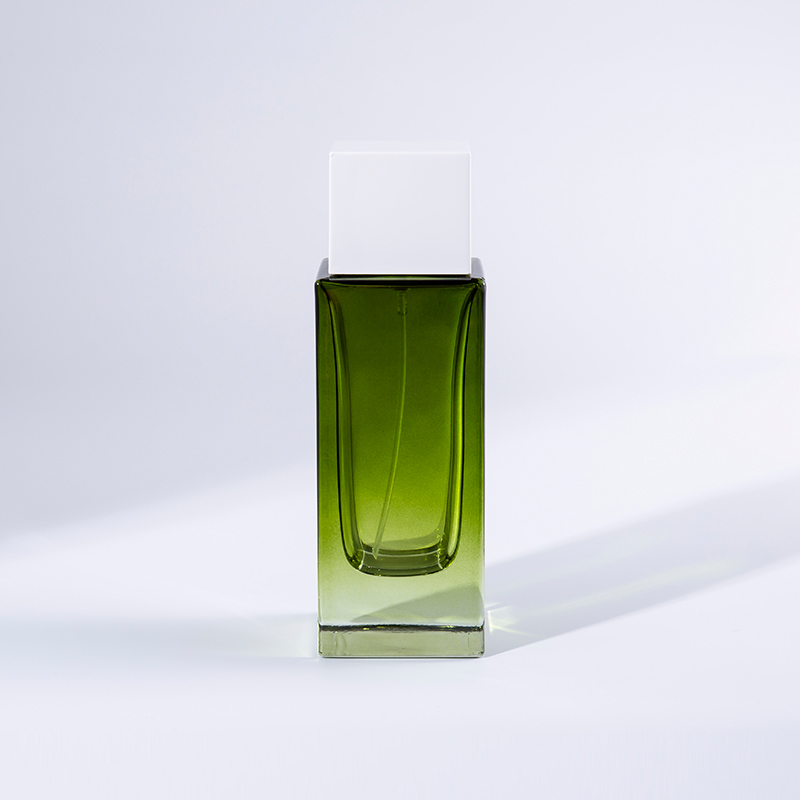
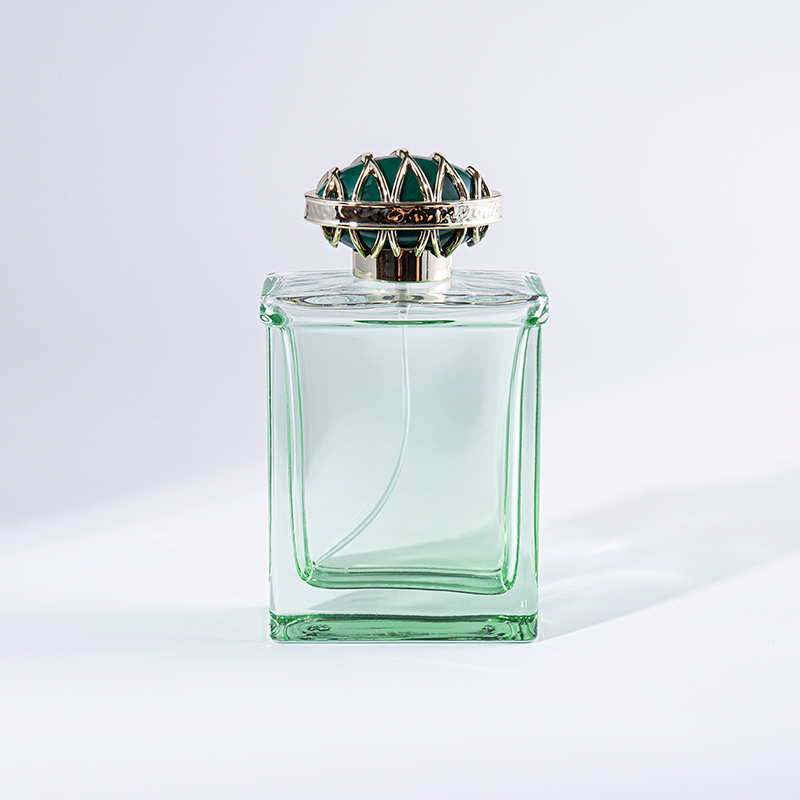
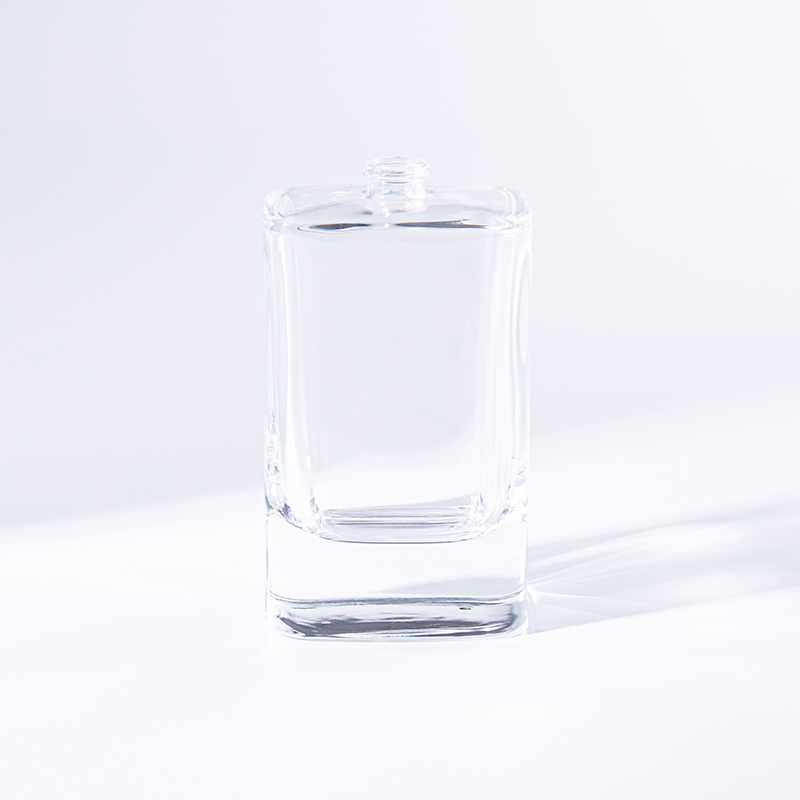
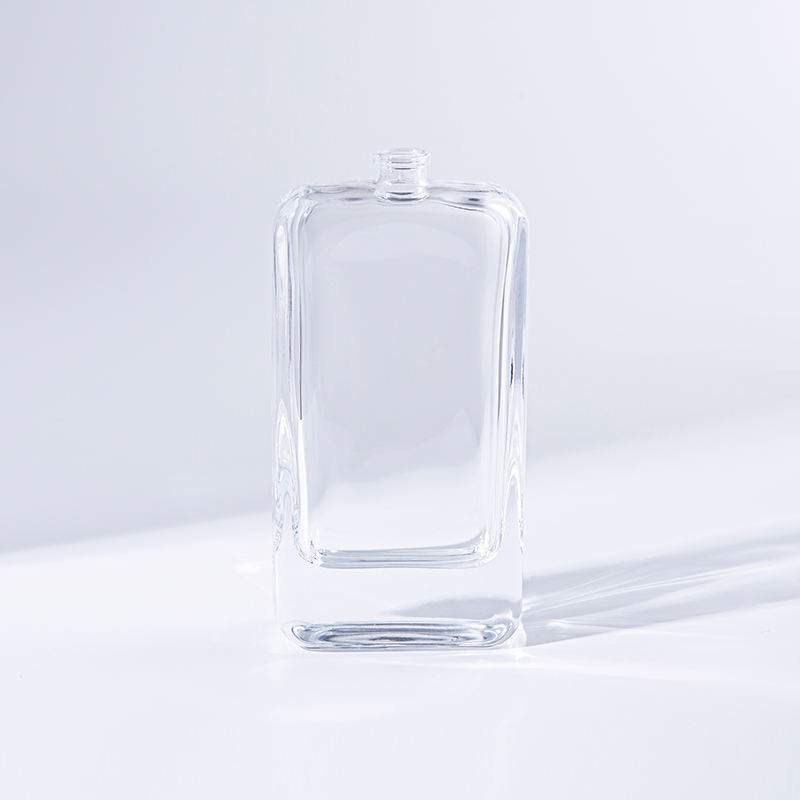
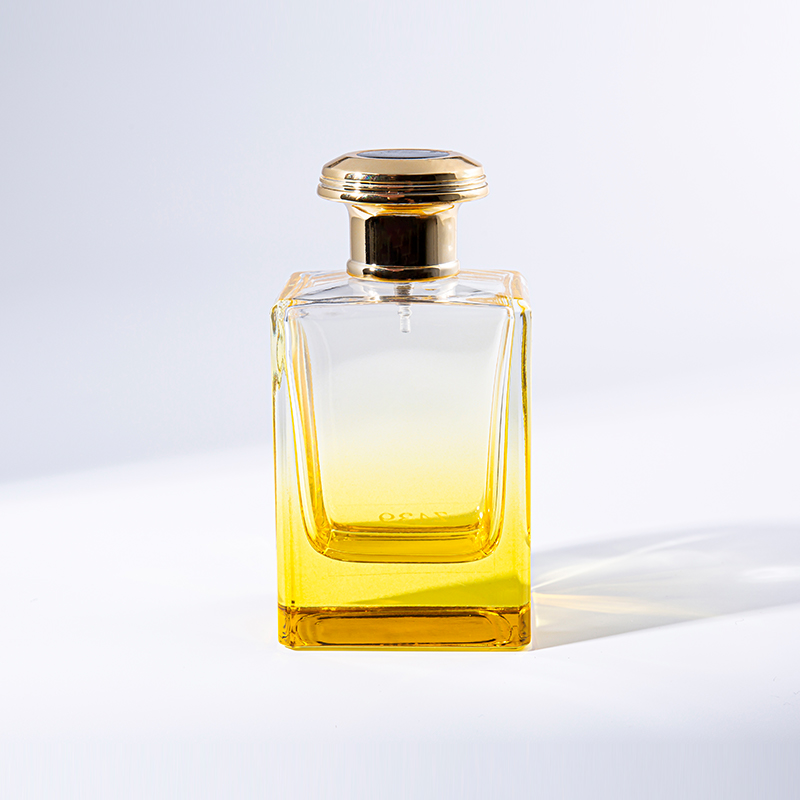
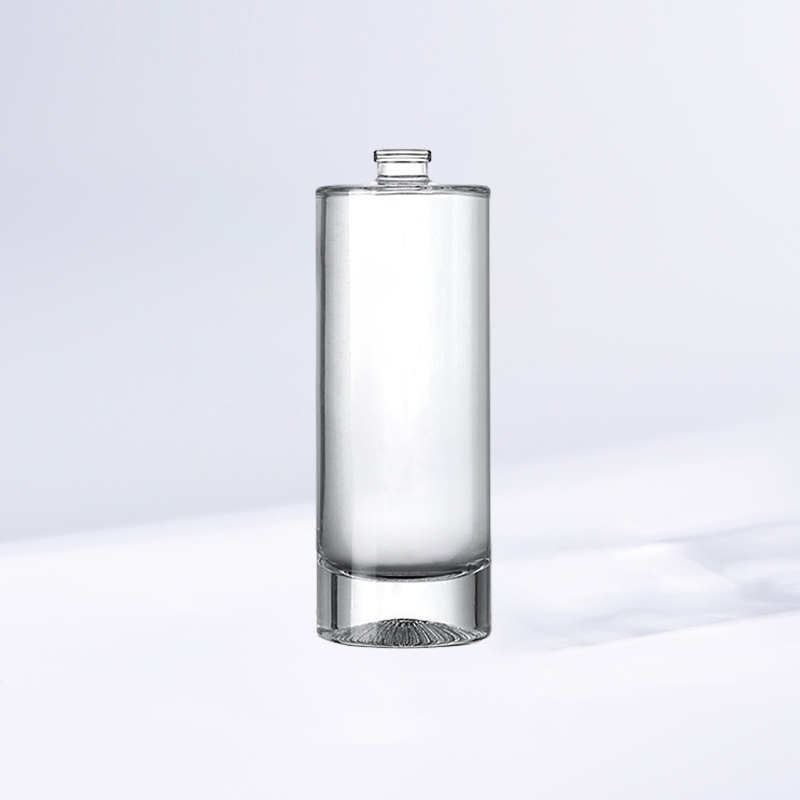
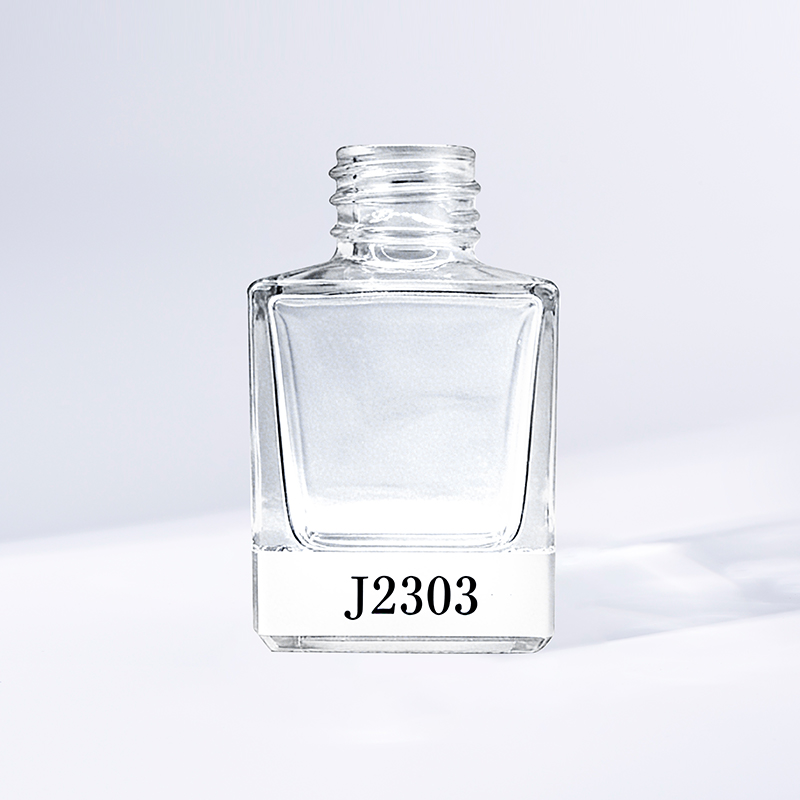
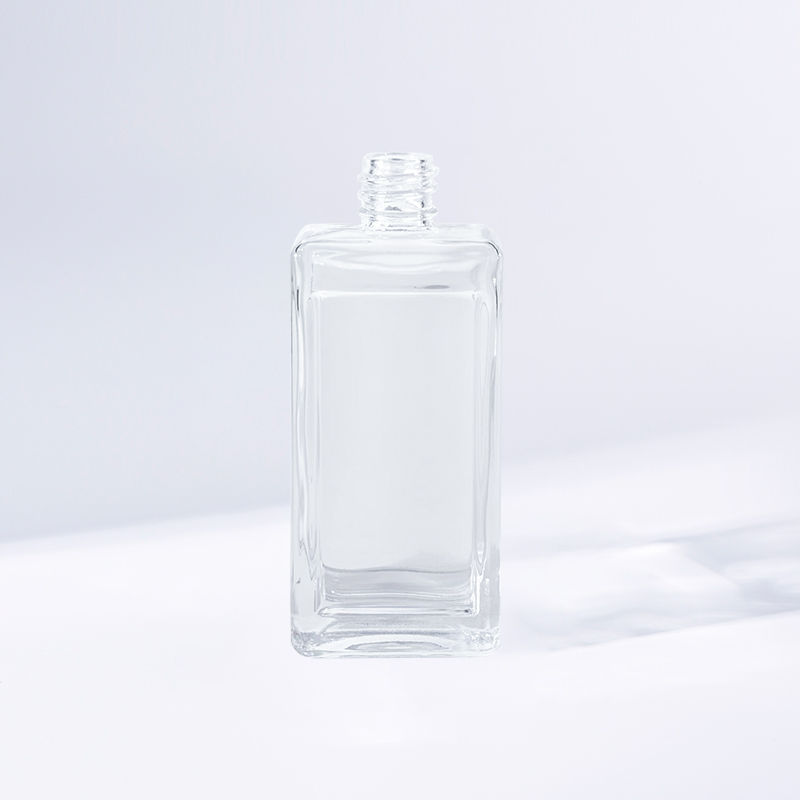
Before diving into the myriad of possibilities for these vessels, the direct answer is clear: you should absolutely not throw away empty perfume glass bottles. These are not merely waste containers; they are high-quality, often aesthetically pleasing, and chemically resistant glass artifacts that possess significant value long after the last drop of fragrance has evaporated. Whether for practical storage, artistic upcycling, or environmental responsibility, retaining and reusing these bottles is the superior choice compared to discarding them in general trash.
The utility of an empty perfume glass bottle stems from its construction. Designed to hold volatile organic compounds, the glass is typically thick and resistant to chemical erosion. The spray mechanisms are often precision-engineered, meaning they can be repurposed for other liquids requiring a fine mist. By choosing to reuse, you not only gain a functional item for your home but also participate in a crucial act of environmental stewardship, reducing the demand for new glass production and minimizing landfill waste.
Why Glass Quality Matters for Reuse
Not all glass is created equal. The containers used for fragrances are usually Type III glass, specifically treated to withstand the alcohol content and chemical composition of perfumes. This durability makes them far superior to standard plastic or thin glass containers for long-term storage. When considering what to do with your empty bottle, it is important to recognize that the material itself is a resource.
- Chemical Stability: Glass does not react with essential oils or alcohol-based mixtures, ensuring that the contents remain pure.
- UV Protection: Many colored bottles (amber, blue, green) offer protection against light, which is vital for preserving the potency of photosensitive liquids.
- Impermeability: Unlike plastic, glass creates an absolute barrier to oxygen and moisture, preventing evaporation and spoilage.
Because of these properties, these bottles are ideal for storing homemade beauty products, essential oil blends, or even culinary extracts like vanilla. The initial investment in the bottle by the manufacturer translates to a long-lasting utility for the end user if properly maintained.
The Comprehensive Cleaning Process
Before a bottle can be repurposed, it must be meticulously cleaned. Perfume residues are oily and highly concentrated, which means a simple water rinse will not suffice. Furthermore, the lingering scent of the previous occupant can interfere with whatever you plan to store next. The cleaning process requires patience and the right materials.
Step 1: Disassembly and Initial Rinse
Begin by removing the spray nozzle and the cap. If the sprayer does not pull off easily, check for a small clip or use a flat tool to gently pry it loose. Pour out any remaining liquid. Fill the bottle about one-quarter full with warm water and a drop of mild dish soap. Shake vigorously. This helps dilute the remaining fragrance oils.
Step 2: Alcohol Soak
Since most perfumes are alcohol-based, using a high-proof alcohol (such as rubbing alcohol or even vodka) is the most effective way to break down the oils. Fill the bottle halfway with alcohol, replace the cap (or cover the opening with your hand), and shake again. Let it sit for several hours or overnight. The alcohol will dissolve the stubborn residue clinging to the glass walls.
Step 3: Removing Labels and Glue
A clean bottle often still has a sticky label. Soak the bottle in a bowl of warm, soapy water. If the label is particularly stubborn, a mixture of baking soda and cooking oil can be applied to the adhesive area. Let it sit for a few minutes before scrubbing with a rough sponge. Avoid using metal scrapers as they can scratch the glass surface.
Step 4: Final Drying
After rinsing thoroughly with water, turn the bottle upside down on a drying rack to ensure all moisture evaporates. This step is critical; any water left inside can dilute future contents or promote bacterial growth if you are storing organic matter.
Practical Applications for Storage
Once clean and dry, the bottle is ready for a second life. The most practical use is to utilize the existing spray mechanism for other liquids. This is particularly useful for creating travel-size versions of your favorite products or for homemade mixtures.
DIY Room Sprays and Linen Mists
Empty perfume bottles are perfect for homemade room sprays. You can mix distilled water with a few drops of essential oils like lavender, eucalyptus, or lemon. The fine mist provided by the perfume nozzle distributes the scent much more effectively than a standard spray bottle. This creates a luxurious way to freshen up pillows, curtains, or the air in a room without using harsh chemicals.
Essential Oil Dilutions
Pure essential oils are often too potent to be applied directly to the skin or used undiluted in a diffuser. An empty perfume bottle allows you to create "rollerball" style mixtures or sprays. By mixing a carrier oil (like jojoba or almond oil) with your chosen essential oil, you create a ready-to-use perfume or body oil. The dark glass of many perfume bottles protects these delicate mixtures from sunlight.
Travel and Toiletry Kits
Purchasing travel-sized toiletries can be expensive and generates unnecessary plastic waste. Decanting your shampoo, conditioner, or body lotion into sturdy empty glass bottles is an eco-friendly alternative. The glass is heavier than plastic, but for short trips, the benefit of using a non-reactive, reusable container outweighs the slight weight increase. It ensures your liquids do not interact with the container, which can sometimes happen with lower-quality plastics.
Creative Upcycling and Decor
Beyond storage, empty perfume glass bottles serve as excellent materials for artistic projects. Their elegant shapes and textures make them suitable for home decor. The aesthetic value of a well-designed bottle can transform a small corner of a room.
- Mini Vases: Single flowers or small sprigs of baby's breath look stunning in narrow perfume bottles. Grouping three or five bottles of varying heights on a mantelpiece creates a chic, minimalist display.
- Fairy Light Holders: By filling the bottle with a string of battery-operated micro-LED fairy lights, you can create a glowing lamp. The glass refracts the light beautifully, creating a warm ambiance in a dark room.
- Painted Art: Using glass paint or markers, you can transform the transparent surface into a stained-glass effect. This is a particularly engaging project for children or for those looking to customize their space.
The creative potential is limited only by imagination. Some artists even use the glass shards from broken bottles for mosaics, though intact bottles are generally more versatile for household applications. The key is to view the bottle not as a used product, but as a raw material for something new and beautiful.
Environmental Impact: Glass vs. Plastic
Choosing to reuse glass has profound environmental implications. The production of new glass is an energy-intensive process involving high temperatures and raw material extraction. However, glass is infinitely recyclable without loss of quality or purity. When you reuse a bottle, you are effectively skipping the energy cost of recycling and the raw material cost of new production.
In contrast to plastic, which degrades over time and can release microplastics into the environment, glass is inert. It does not leach chemicals into the soil or water if disposed of improperly, although it should always be recycled if it cannot be reused. By extending the lifecycle of a perfume bottle, you reduce the volume of waste heading to landfills and decrease the demand for single-use plastics that often dominate the packaging industry.
| Feature | Empty Perfume Glass Bottles | Single-Use Plastic Bottles |
|---|---|---|
| Durability | High (Fragile but long-lasting if intact) | Low (Degrades with heat and time) |
| Chemical Safety | Inert (No reaction with contents) | Reactive (Can leach chemicals) |
| Recyclability | 100% Recyclable indefinitely | Downcycled (Limited cycles) |
| Aesthetic Appeal | High (Luxury design) | Variable (Often utilitarian) |
Safety Considerations for Reuse
While reusing is encouraged, certain safety guidelines must be observed. It is crucial to ensure that the bottle is thoroughly cleaned if the original contents were strong allergens. Even a trace amount of a strong fragrance can cause a reaction in sensitive individuals when the bottle is repurposed for skincare or other uses.
Additionally, be cautious when using glass around high-traffic areas or in bathrooms where tiles are hard. Dropping a glass bottle on a hard floor will cause it to shatter, creating a safety hazard. If you are repurposing bottles for children's projects, ensure they are handled under supervision to prevent cuts. Finally, never store flammable liquids in bottles that are not explicitly designed for them, unless you are certain the seals are airtight and the glass is pressure-resistant.
Coordonnées.
-
Tél.
+86 153 7158 1688 (Simon)
+86 181 3693 6668 (Mary)
+86 139 5117 2783 (Junwei Hua) -
Courriel
zl@jl-bl.cn (Simon)
mary@jl-bl.cn (Mary)
jwhua@jl-bl.cn (Junwei Hua) -
Adresse
Ville de Hongqiao, ville de Taixing, ville de Taizhou, province du Jiangsu, Chine
- Médias
Demande de Devis
Droit d'auteur © Taixing Jili Glass Products Co., Ltd. Tous droits réservés. Fabricant d'emballages cosmétiques en verre sur mesure et de flacons de parfum de luxe en verre
