
 ENG
ENG  English
 русский
 Français
 Español
 عربى
عربى Türk
TürkDécoration de flacons de parfum : techniques de pulvérisation et de métallisation 2026
2026-08-04
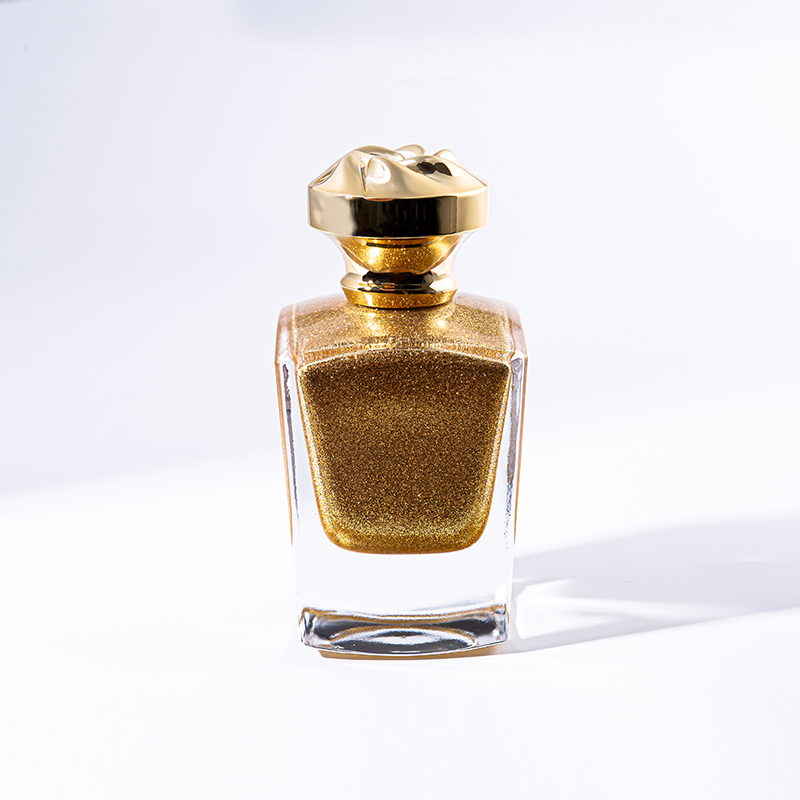
Si vous avez déjà tenu un flacon de parfum de luxe qui capte la lumière avec un éclat métallique tout en restant partiellement transparent, vous avez vu un flacon moderne. décoration de bouteille de parfum au travail. Il est révolu le temps où un contenant de parfum était simplement transparent ou givré. Aujourd’hui, les marques utilisent des technologies avancées décoration de bouteille de parfum techniques pour créer des bouteilles visuellement époustouflantes et respectueuses de l'environnement.
Le défi est cependant de taille. Comment donner l’impression qu’une bouteille est recouverte d’or ou de chrome, tout en s’assurant qu’elle peut toujours être recyclée ? C'est ici décoration de bouteille de parfum des méthodes telles que la pulvérisation cathodique et la métallisation avancée entrent en jeu. Ces techniques changent la donne pour l’emballage des parfums.
Qu’est-ce que la pulvérisation dans la décoration des bouteilles de parfum ?
La pulvérisation est un décoration de bouteille de parfum technique qui applique une fine couche de métal sur la surface du verre à l’intérieur d’une chambre à vide. Contrairement à la métallisation traditionnelle, qui utilise l'évaporation pour déposer le métal, la pulvérisation cathodique utilise un processus physique qui donne aux fabricants plus de contrôle sur l'épaisseur du revêtement.
Voici pourquoi c'est important pour votre décoration de bouteille de parfum stratégie. La pulvérisation cathodique permet au verre de conserver une certaine transparence. Cela signifie qu’une bouteille peut avoir une finition métallique semblable à un miroir tout en laissant passer la lumière. L'édition limitée La Vie Est Belle L'Extrait de Lancôme a utilisé cette technique exacte pour obtenir un effet métallique transparent avec un dégradé de couleurs.
Le verrier italien Bormioli Luigi a investi deux millions d'euros dans une ligne de production dédiée à la pulvérisation cathodique. Selon leur responsable R&D, Emanuela Fava, "la pulvérisation apporte de la flexibilité, des effets de couleurs possibles et un contrôle sur l'épaisseur des dépôts métalliques jusqu'à l'obtention d'une version transparente".
Cette transparence n’est pas seulement importante pour l’esthétique. Cela garantit également que la bouteille peut être identifiée et triée correctement dans les centres de recyclage.
Métallisation : de l’opaque au transparent
La métallisation est depuis longtemps une mode populaire décoration de bouteille de parfum choix pour donner au verre une surface luxueuse et réfléchissante. Cependant, la métallisation traditionnelle crée souvent un revêtement opaque. Cela peut interférer avec le recyclage car les machines de tri ne peuvent pas « voir » à travers la couche métallique pour identifier le verre.
L’industrie réagit. Des sociétés comme Pochet et PRAD développent des solutions de métallisation translucide. Avec cette approche, la couche métallique est suffisamment fine pour laisser passer la lumière. Cela préserve l’aspect haut de gamme tout en gardant la bouteille entièrement recyclable.
PRAD, spécialiste français de la métallisation liquide, propose des solutions aussi bien opaques que transparentes. Selon Bruno Pierrain, PDG de PRAD, "la métallisation liquide, qu'elle soit opaque, dégradée ou notre solution transparente, offre des possibilités illimitées d'innovation et de différenciation".
Comparaison des techniques de décoration de bouteilles de parfum
Voici une comparaison rapide des principaux décoration de bouteille de parfum méthodes :
| Caractéristique | Métallisation traditionnelle | Pulvérisation | Métallisation translucide |
|---|---|---|---|
| Processus | Évaporation sous vide | Dépôt physique sous vide | Application liquide ou sous vide |
| Opacité | Opaque | Contrôlable, peut être transparent | Semi-transparent |
| Recyclabilité | Peut gêner le tri | Entièrement recyclable | Entièrement recyclable |
| Effet esthétique | Finition miroir ultra brillante | Métallisé avec une légère transparence | Un jeu de lumière subtil |
| Personnalisation | Limité par l'opacité | Dégradé de couleurs possible | Large gamme de couleurs et d'intensités |
La durabilité rencontre l’esthétique
L’une des plus grandes questions auxquelles sont confrontées les marques de parfums aujourd’hui est de savoir comment équilibrer l’attrait visuel et la responsabilité environnementale. Décoration de bouteille de parfum est au centre de cette conversation.
La bonne nouvelle est que le verre lui-même est recyclable à l’infini. Le défi est que certaines décorations – métallisations opaques, laques lourdes ou revêtements non recyclables – peuvent compromettre cet avantage. Plus récent décoration de bouteille de parfum des techniques sont conçues pour résoudre ce problème.
Verescence a par exemple développé un procédé de laquage translucide compatible avec le recyclage. De même, Bormioli Luigi s'est concentré sur la pulvérisation cathodique précisément parce qu'elle rend la bouteille en verre entièrement recyclable. Ces innovations vous évitent de devoir choisir entre une belle bouteille et une bouteille durable.
Applications dans la décoration de bouteilles de parfum
Ces décoration de bouteille de parfum des méthodes font leur apparition dans des lancements de parfums bien connus. La Vie Est Belle de Lancôme a utilisé la pulvérisation pour créer une édition limitée avec un effet métallique associé à une teinte spécifique. Le dégradé de couleurs crée une différence d’opacité entre le haut et le bas de la bouteille, rendant le design unique.
La métallisation liquide a également gagné du terrain. Le flacon Jimmy Choo d'Interparfums présente des métallisations roses et dorées qui jouent avec la transparence. La collection City Candles de Diptyque associe une métallisation rouge opaque à la sérigraphie. Ces exemples montrent comment décoration de bouteille de parfum peut être adapté à l’esthétique de différentes marques.
Ce que cela signifie pour votre marque
Si vous recherchez un flacon pour votre gamme de parfums, voici quelques considérations lors de votre exploration. décoration de bouteille de parfum choix.
Tout d’abord, renseignez-vous sur la recyclabilité. Toutes les finitions décorées ne sont pas égales. Demandez à votre fournisseur si la décoration est opaque, translucide ou transparente. Les options translucides sont généralement plus compatibles avec le recyclage.
Deuxièmement, considérez l’effet visuel. La pulvérisation cathodique offre une finition métallique avec une subtile transparence de la lumière. La métallisation traditionnelle offre un effet miroir très brillant. La métallisation liquide translucide permet de délicats jeux de lumière. Choisissez le décoration de bouteille de parfum qui correspond à votre identité de marque.
Troisièmement, pensez au coût et à l’échelle de production. La pulvérisation nécessite un équipement spécialisé et est n’est pas encore largement adopté dans l'industrie. La métallisation liquide, en revanche, s’est considérablement développée. PRAD, par exemple, a étendu sa capacité de métallisation à plus de 15 millions de bouteilles par an.
Pourquoi Jili pour la décoration de votre flacon de parfum ?
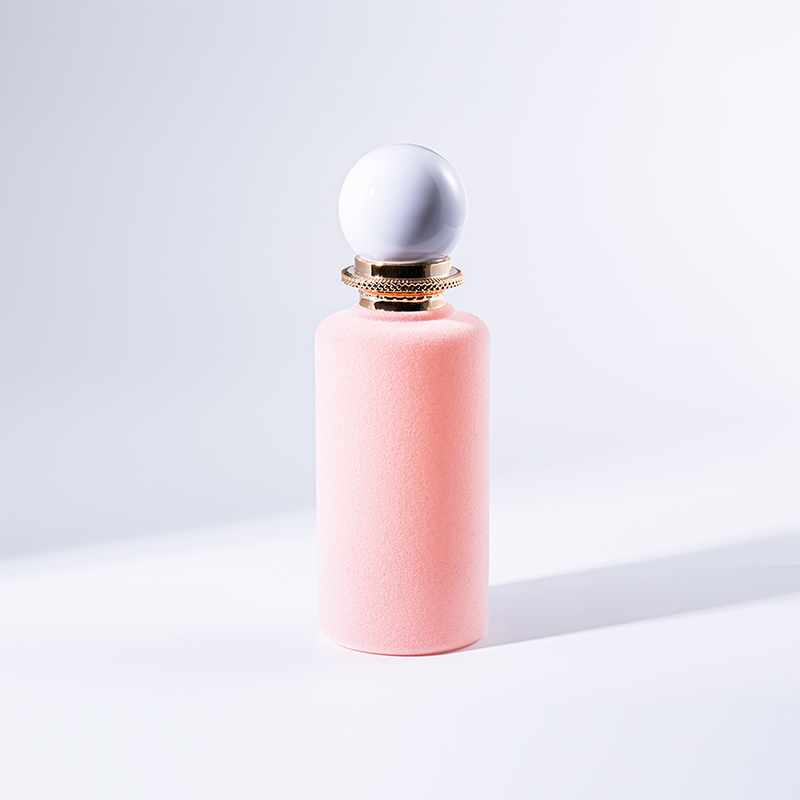
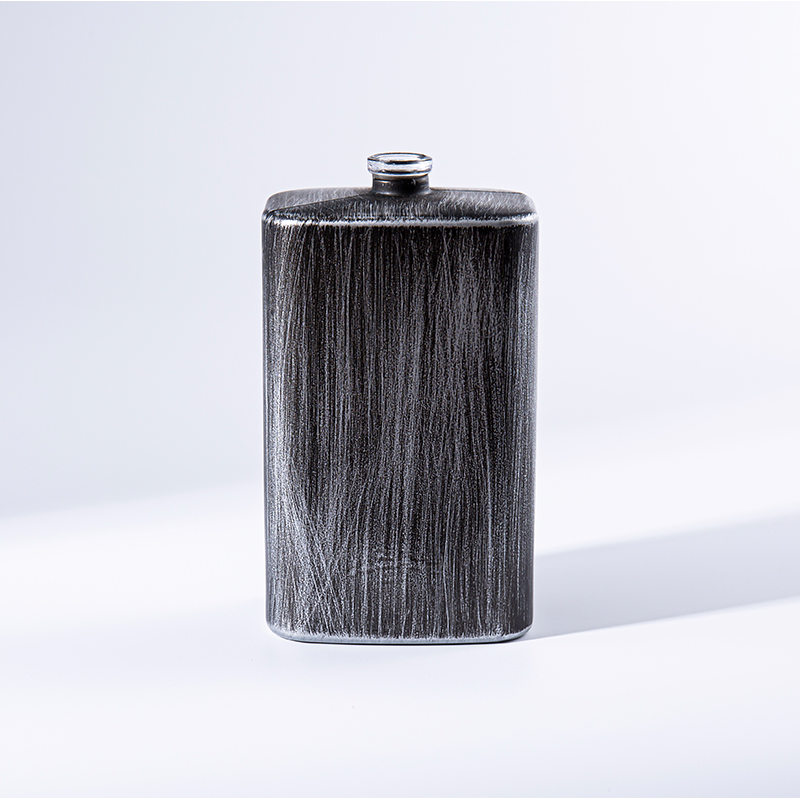
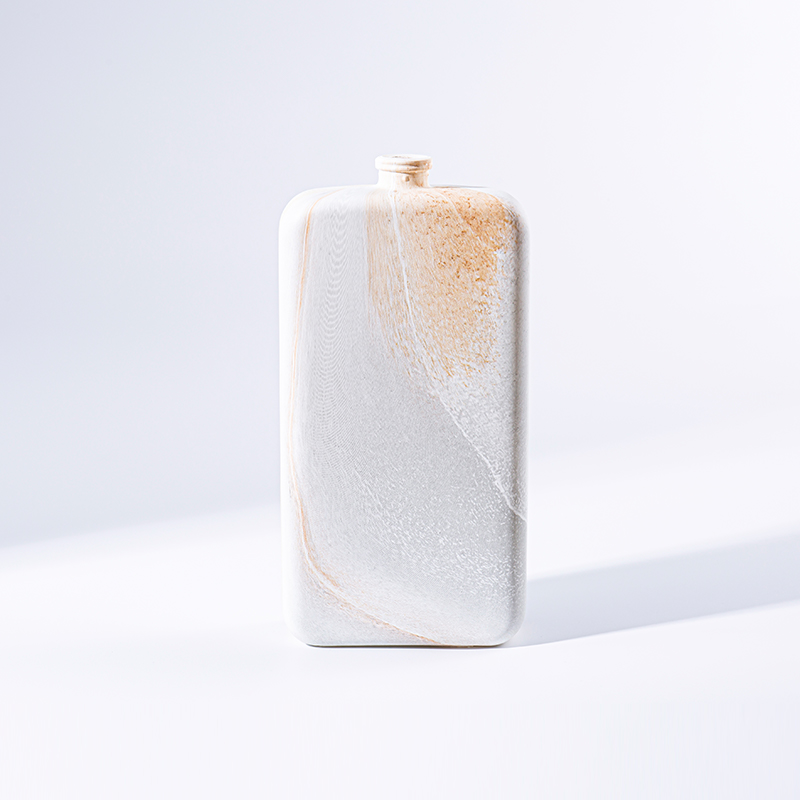
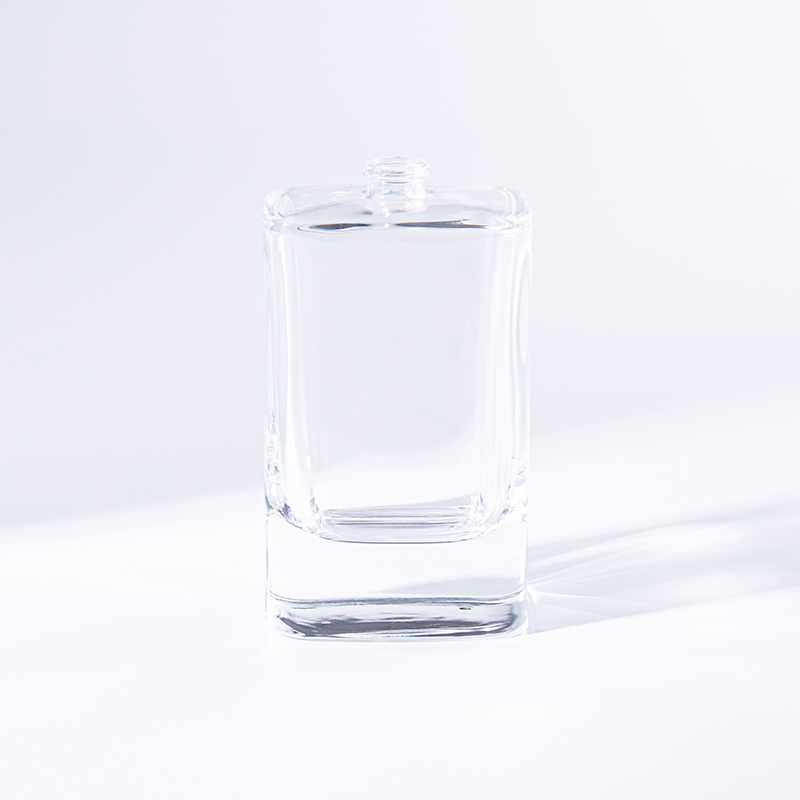
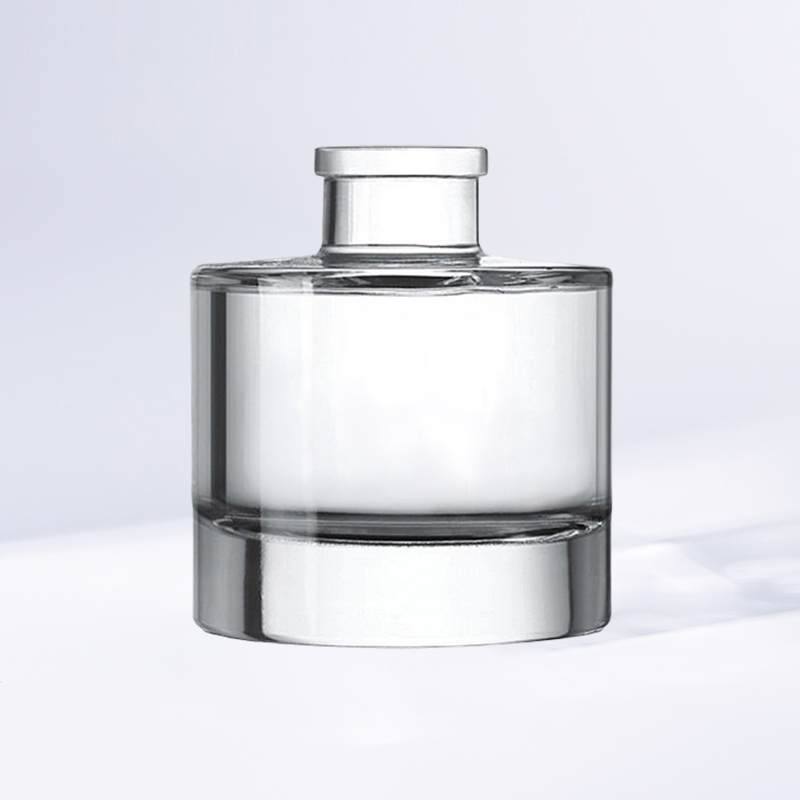
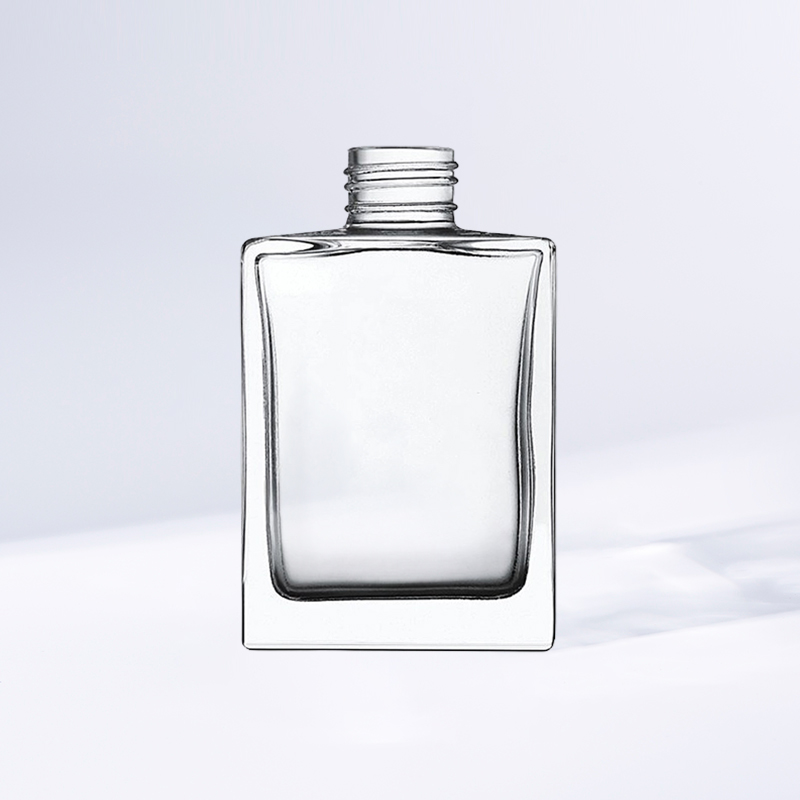
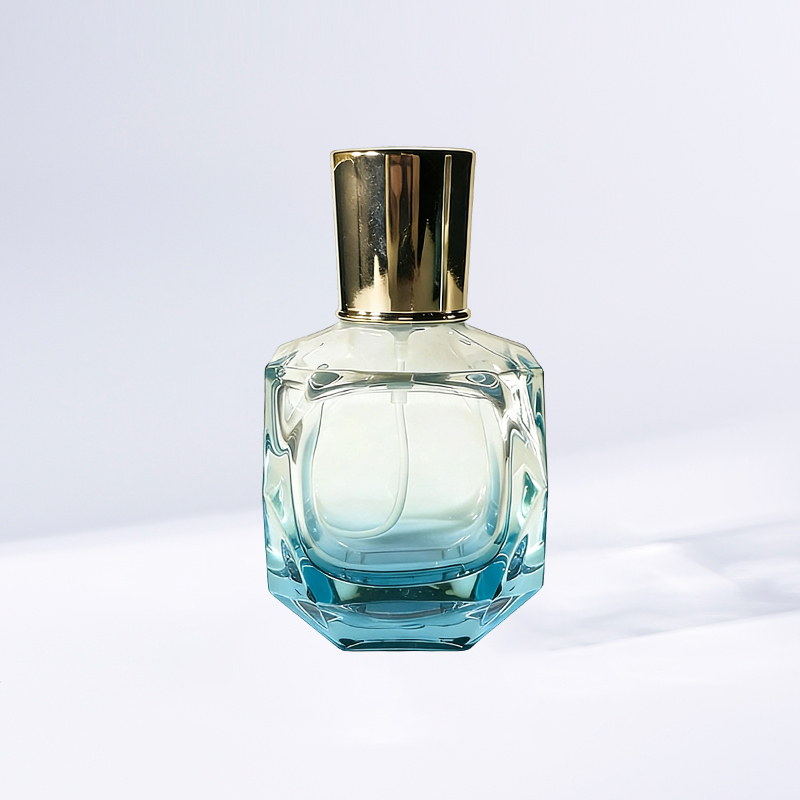
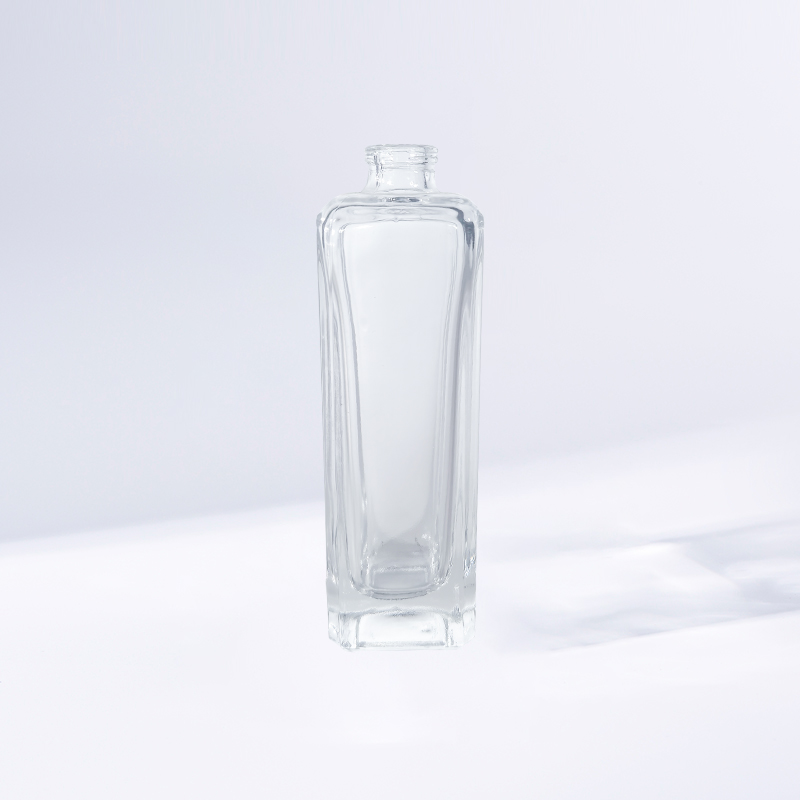
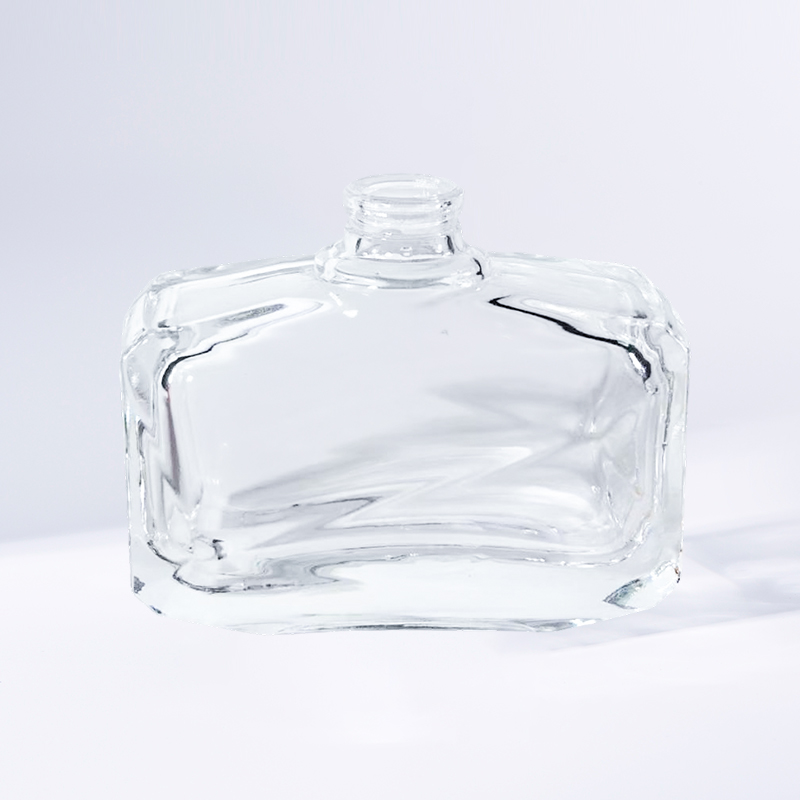
Chez Jili, nous comprenons que décoration de bouteille de parfum est un différenciateur clé pour les marques de parfums. Nous produisons des bouteilles pouvant accueillir une large gamme de finitions, notamment le glaçage, la sérigraphie, la métallisation et la pulvérisation, toutes alignées sur les objectifs de durabilité.
Nous travaillons en étroite collaboration avec les marques pour choisir le bon décoration de bouteille de parfum méthode pour leurs exigences esthétiques et environnementales. Que vous souhaitiez une finition métallisée très brillante ou un subtil effet givré, Jili peut vous offrir.
[Parcourir la collection de flacons de parfum de Jili] ← www.jiliglass.com
Coordonnées.
-
Tél.
+86 153 7158 1688 (Simon)
+86 181 3693 6668 (Mary)
+86 139 5117 2783 (Junwei Hua) -
Courriel
zl@jl-bl.cn (Simon)
mary@jl-bl.cn (Mary)
jwhua@jl-bl.cn (Junwei Hua) -
Adresse
Ville de Hongqiao, ville de Taixing, ville de Taizhou, province du Jiangsu, Chine
- Médias
Demande de Devis
Droit d'auteur © Taixing Jili Glass Products Co., Ltd. Tous droits réservés. Fabricant d'emballages cosmétiques en verre sur mesure et de flacons de parfum de luxe en verre
