
 ENG
ENG  English
 русский
 Français
 Español
 عربى
عربى Türk
TürkHow to choose the right cosmetic glass packaging supplier for your brand?
2026-07-01
Choosing a cosmetic glass packaging supplier is a decision that transcends simple procurement; it is a strategic partnership that directly impacts brand equity, product stability, and market success. The direct answer to finding the right supplier lies in evaluating their ability to provide comprehensive consistency rather than just the lowest price. A superior supplier acts as a guardian of product quality, ensuring that the glass container protects the formulation from contamination and oxidation while simultaneously communicating the brand's luxury positioning through flawless aesthetic execution. They must possess the technical agility to customize designs, the manufacturing rigor to maintain structural integrity, and the logistical competence to deliver on time. Ultimately, the right supplier understands the delicate balance between functional protection and visual appeal, offering a seamless supply chain experience that scales with the brand's growth.
Material Integrity and Safety Standards
The primary function of any cosmetic packaging is to ensure the safety and stability of the formulation it holds. For glass packaging, material integrity is non-negotiable.
High-quality cosmetic glass must be chemically inert, meaning it does not react with the product inside, regardless of the ingredients' acidity or alcohol content. A reliable supplier will adhere to international safety standards, ensuring their glass is free from heavy metals and other contaminants that could leach into the cream, serum, or lotion. This is particularly critical for natural and organic brands, where the preservation of the active ingredients is the unique selling proposition. The supplier should be able to provide detailed certification regarding the chemical composition of the glass, proving its resistance to hydrolytic attack and its ability to maintain a neutral pH environment for the contents.
- Chemical Stability: Glass acts as a nearly perfect barrier, preventing the migration of oxygen and other gases through the container walls, which is essential for preserving the efficacy of sensitive skincare formulations.
- Non-Reactive Surface: The smooth, non-porous surface of high-grade glass prevents the absorption of product ingredients, ensuring that the fragrance and texture remain consistent throughout the product's shelf life.
- Consumer Safety: While plastic can degrade and micro-crack over time, glass maintains its structural rigidity, eliminating the risk of microscopic particles contaminating the product.
Customization and Design Flexibility
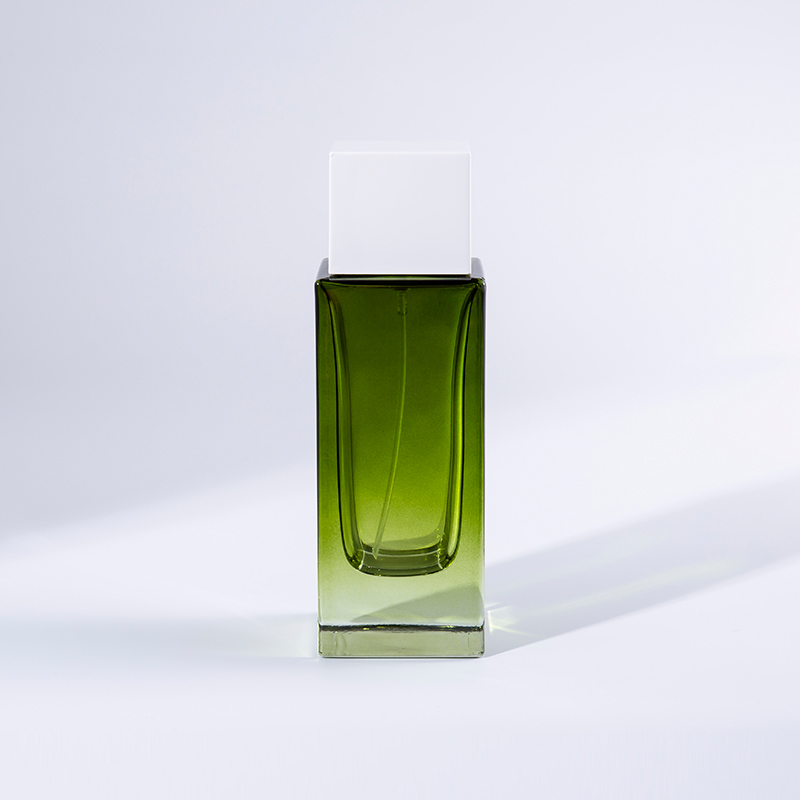
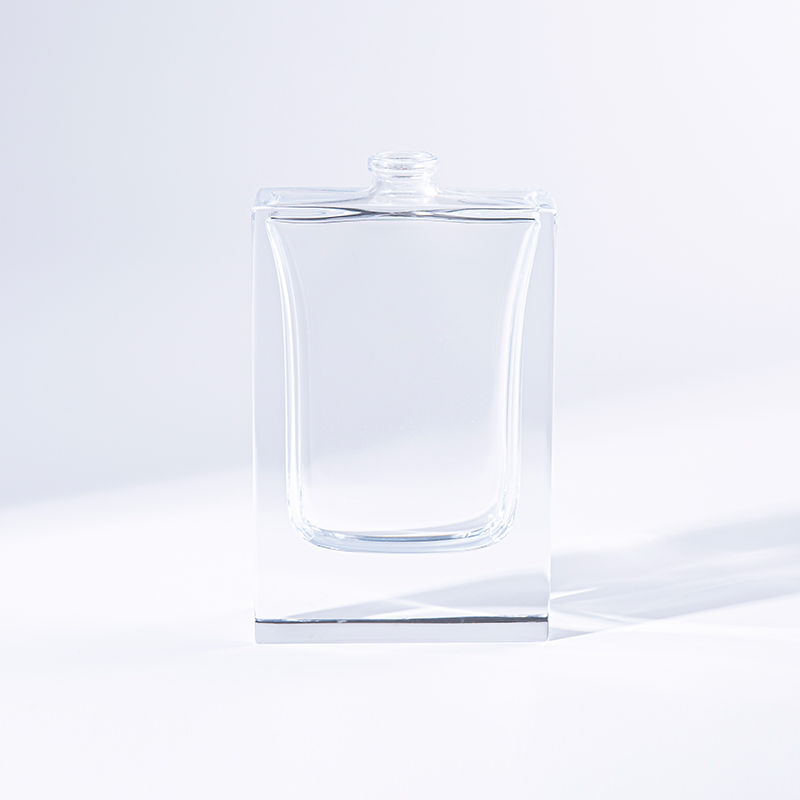
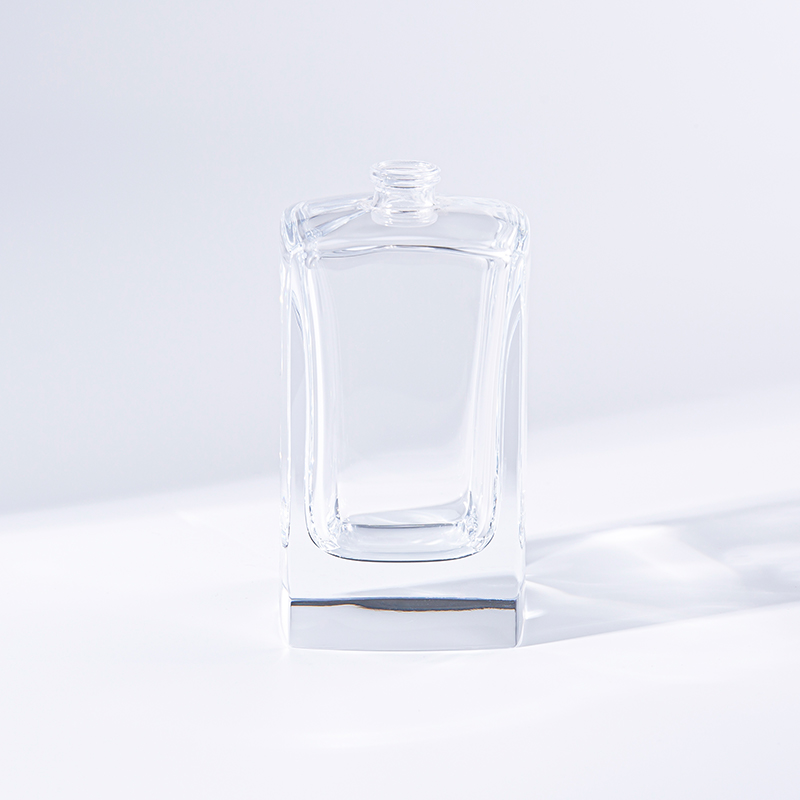
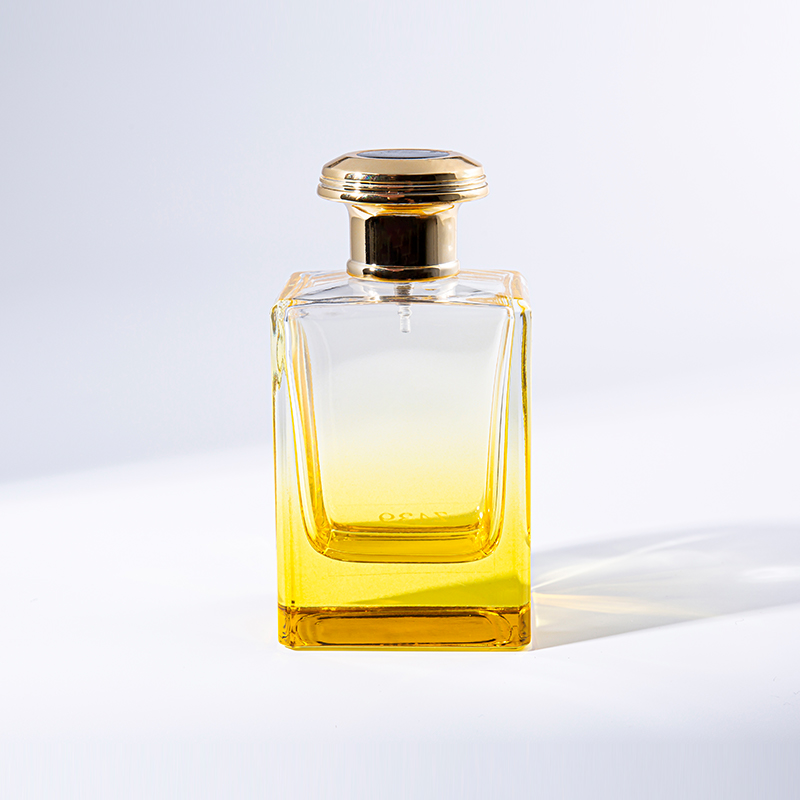
In the saturated beauty market, differentiation is key. A capable supplier must offer more than standard stock bottles; they must possess the technical capacity for deep customization. This capability allows brands to create a unique visual identity that resonates with their target demographic. Whether it is a specific color palette that matches the brand's aesthetic or a unique silhouette that stands out on the shelf, the supplier's ability to execute custom molds is a critical service.
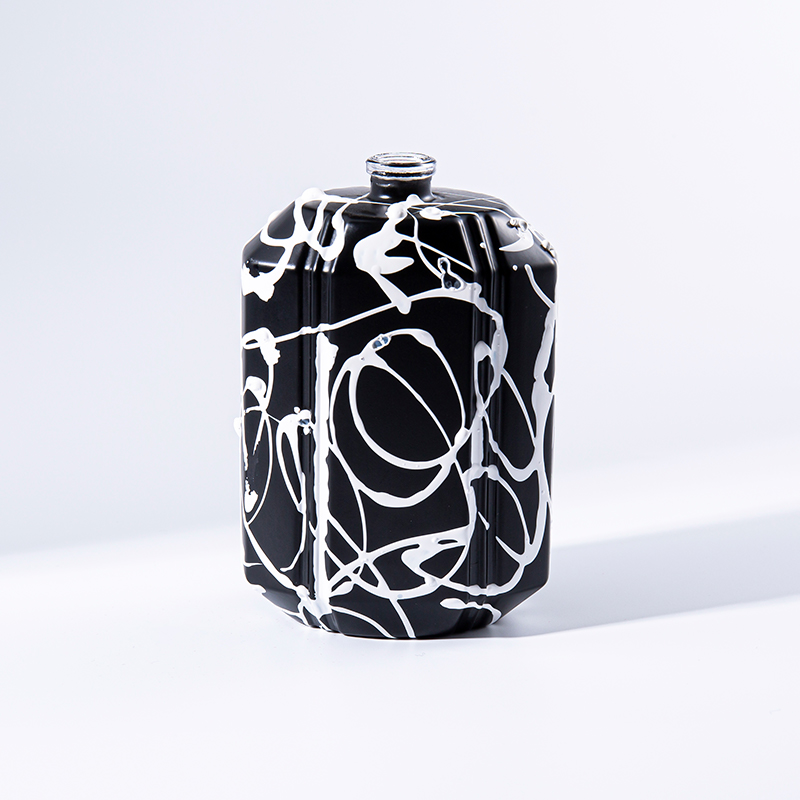
The scope of customization extends beyond the glass itself to the surface treatment and finishing techniques that define the user experience.
| Technique | Visual Effect | Durability |
| Spray Coating | Solid, opaque color coverage | High scratch resistance |
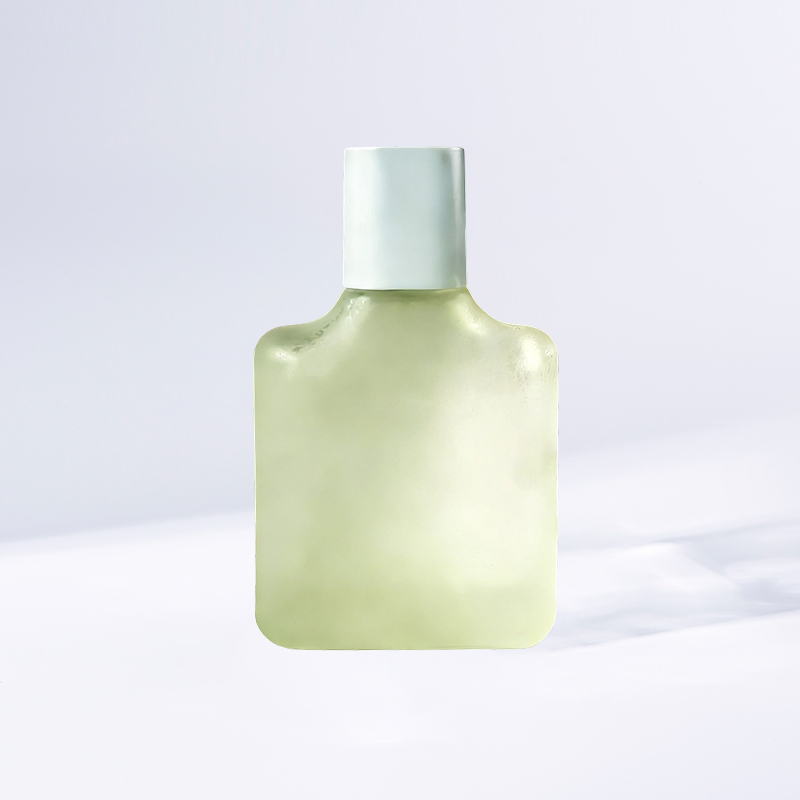
| Frosted Finish | Soft, matte, premium texture | Moderate, elegant feel |
| Hot Stamping | Metallic logo accent | Very high permanence |
Decoration and Branding Options
The application of branding elements requires precision. Suppliers should offer a range of decoration techniques such as screen printing, hot stamping, and labeling. The choice of technique depends on the complexity of the logo and the desired premium feel. For instance, hot stamping creates a metallic sheen that suggests luxury, while screen printing allows for precise color matching. The supplier's role is to advise on the best method that balances aesthetic ambition with technical feasibility.
Supply Chain Reliability and Logistics
A beautiful bottle is useless if it arrives late or damaged. The logistical competence of a glass packaging supplier is a critical, though often overlooked, aspect of the partnership. Glass is heavy and fragile, making transportation a complex challenge. A proficient supplier will have a robust logistics framework in place, utilizing appropriate packaging materials to minimize breakage rates during transit. They should also have a global shipping network or localized warehousing solutions to reduce lead times, ensuring that production schedules are never disrupted by a lack of packaging components.
Logistical Consideration: It is vital to assess the supplier's contingency plans for unexpected disruptions. Whether it is raw material shortages or shipping delays, a proactive supplier will communicate transparently and offer alternatives to keep the production line running. Their ability to manage inventory buffers effectively can be the difference between a successful product launch and a missed market opportunity.
Sustainability and Environmental Responsibility
Modern consumers are increasingly eco-conscious, and brands are under pressure to reduce their environmental footprint. Glass is inherently a sustainable material because it is 100% recyclable and can be recycled indefinitely without loss of quality or purity. However, the sustainability of the packaging also depends on the supplier's manufacturing practices. A forward-thinking supplier will invest in energy-efficient furnaces and utilize a high percentage of recycled glass (cullet) in their production process, which significantly lowers the energy consumption required to melt new glass.
- Recyclability: Ensuring the glass is clear of contaminants like plastic coatings that hinder recycling.
- Light-weighting: Advanced manufacturing techniques that produce thinner yet strong glass to reduce raw material usage and transportation weight.
- Carbon Footprint: Sourcing from facilities that utilize renewable energy sources to power the intense heat required for glass formation.
The Role of Recycled Content
Incorporating post-consumer recycled glass into new cosmetic bottles is a tangible way to demonstrate environmental commitment. Suppliers who can offer high-recycled-content options provide brands with a compelling sustainability narrative. However, maintaining color consistency and clarity when using recycled materials requires advanced technical processing, a capability that distinguishes top-tier suppliers from average manufacturers.
Quality Assurance and Technical Support
The relationship with a supplier should extend beyond the delivery of goods to include ongoing technical support and quality assurance. This involves rigorous testing protocols to ensure every batch meets the agreed-upon specifications for wall thickness, weight, and visual clarity. A dedicated supplier will conduct tests for thermal shock resistance and vertical load capacity to ensure the bottles can withstand the filling process and daily consumer use.
"Quality is not just about the absence of defects; it is about the presence of value and reliability in every single unit delivered."
Furthermore, technical support is crucial during the filling phase. The supplier should provide detailed technical drawings and compatibility checks to ensure the glass bottle works seamlessly with the chosen pump, dropper, or cap. This compatibility check prevents costly line stoppages or leakage issues that can arise from minor dimensional mismatches between the glass container and the plastic closure.
Coordonnées.
-
Tél.
+86 153 7158 1688 (Simon)
+86 181 3693 6668 (Mary)
+86 139 5117 2783 (Junwei Hua) -
Courriel
zl@jl-bl.cn (Simon)
mary@jl-bl.cn (Mary)
jwhua@jl-bl.cn (Junwei Hua) -
Adresse
Ville de Hongqiao, ville de Taixing, ville de Taizhou, province du Jiangsu, Chine
- Médias
Demande de Devis
Droit d'auteur © Taixing Jili Glass Products Co., Ltd. Tous droits réservés. Fabricant d'emballages cosmétiques en verre sur mesure et de flacons de parfum de luxe en verre
